
Gratitude is the message. Measurement is the support system.
Referral and customer appreciation programs can become awkward when measurement overwhelms the human reason for the gift. The recipient should feel thanked, not processed. The business still needs to know whether the program is working, but those needs should sit behind the experience rather than dominate it.
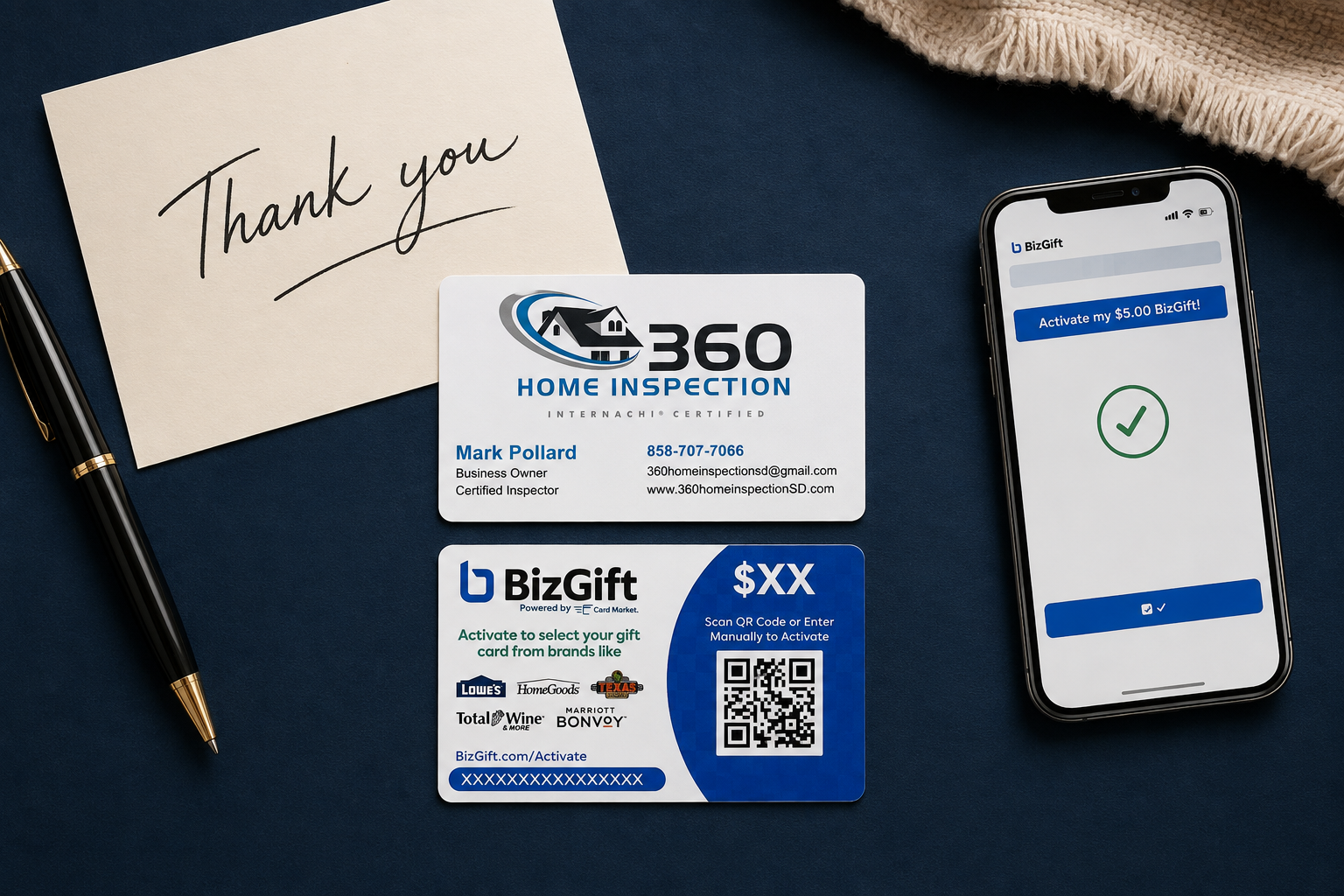
BizGift activation provides a useful middle signal. It shows that the recipient engaged with the gift experience. That can help the relationship owner time a human follow-up without claiming that activation proves satisfaction, loyalty, or future advocacy.
Choose the next touch by relationship type
A customer referrer may receive a personal note confirming that the introduction mattered. A partner may receive an update on the shared opportunity. A lifecycle customer may receive a relevant invitation. An advocate may simply receive a second thank-you. The next touch should reflect the relationship and original contribution.
Create approved follow-up templates, but leave room for a specific detail. Automation should handle the alert and task; a person should preserve the context.
- Personal customer referral: thank them, confirm the introduction was received, and close without another ask.
- Partner referral: thank them and provide an appropriate status update where confidentiality allows.
- Customer reactivation: acknowledge the history and offer one relevant return path.
- Public advocate or reviewer: follow program rules and avoid language that conditions sentiment on the gift.
Use transparent recipient language
Tell the recipient who sent the BizGift, why it was sent, how to activate, and where to get help. When the program involves activation information, describe it accurately. The customer may receive information the recipient chooses or consents to share; avoid suggesting covert monitoring.
The recipient FAQ and activation guide should be linked wherever uncertainty may slow activation. Consistent trust language supports the campaign promise and reduces avoidable support friction.
Build a relationship-centered review
Review the program in cohorts rather than judging one activation at a time. Compare referral type, audience, sender, value tier, delivery format, activation speed, and follow-up completion. Then add the business outcome that matters: completed introduction, qualified opportunity, retained customer, partner engagement, or repeat advocacy.
Include qualitative signals. A short thank-you reply, a policy question, a support request, or a decline can reveal more than the activation count alone. If a message produces activation but also creates discomfort, the campaign needs revision. If a modest gift paired with a highly specific message generates strong replies, the team may have found a better balance of relevance and cost.
- Separate activation, response, referral outcome, and repeat advocacy.
- Read recipient replies and support issues alongside numeric results.
- Review policy and disclosure questions before expanding the program.
- Change one major variable at a time when testing improvements.
Keep appreciation free of pressure
The strongest referral thank-you campaign makes gratitude easier to deliver and outcomes easier to understand. It never makes appreciation conditional on another action. If a recipient chooses not to activate, preserve the thank-you and the relationship; non-activation should not trigger guilt, urgency, or repeated messages that change appreciation into pressure.
Before launch, define the audience, qualifying event, sender, value, delivery format, activation experience, follow-up owner, and intended business outcome. Review the recipient experience from first impression through redemption, and obtain your organization’s own legal or compliance guidance where industry, tax, email, gift, or referral rules may apply.